

Why Privacy in Luxury Real Estate Is an Architectural Decision, Not a Feature
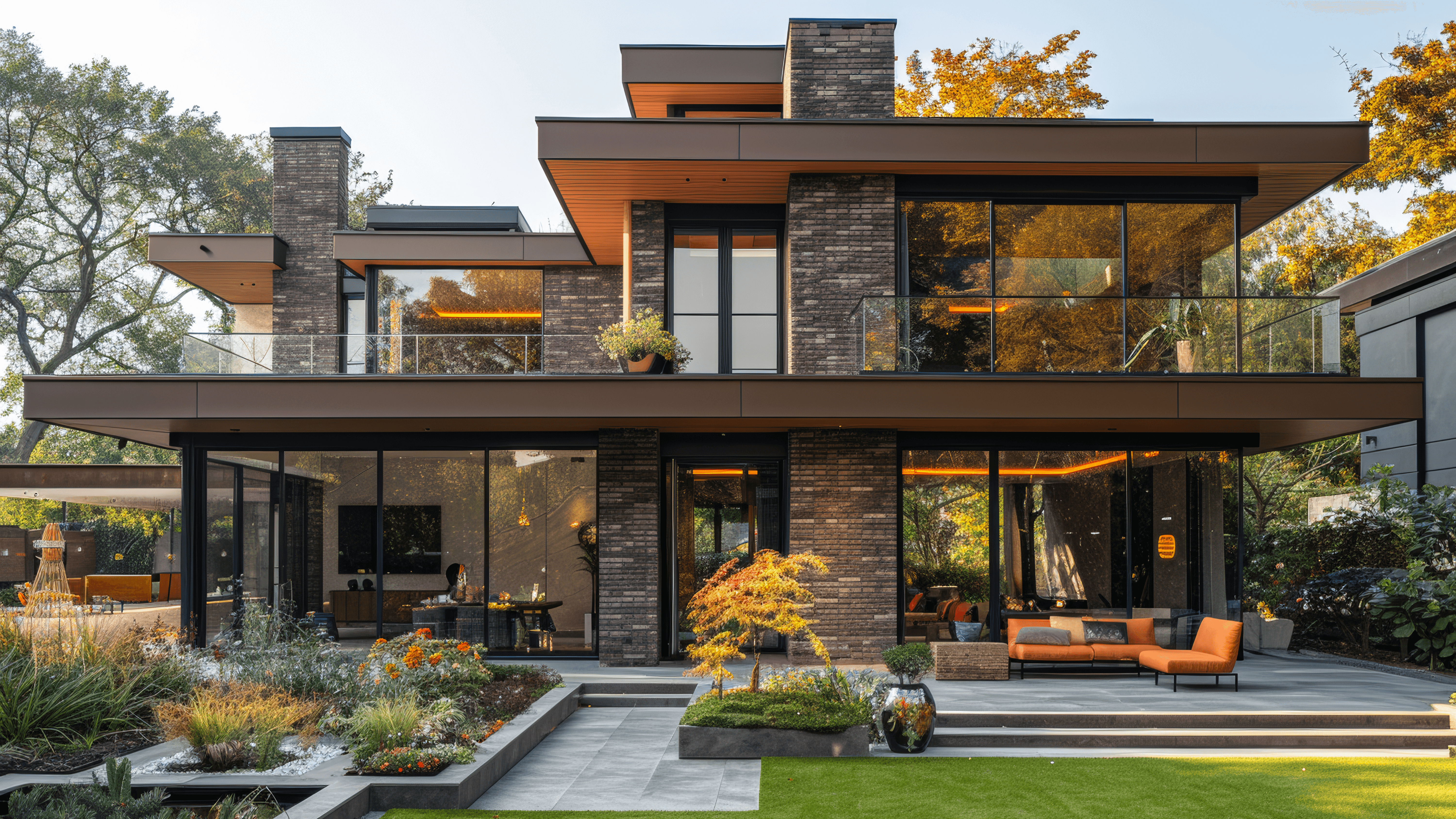
Privacy is often listed as a feature in luxury real estate, but for experienced buyers, it is rarely evaluated at face value. At higher levels of the market, privacy is not something added—it is something designed.
Rather than asking whether a home feels private, discerning buyers look at how privacy is achieved. Architectural decisions such as window placement, elevation changes, interior sequencing, and site orientation all influence how protected a home feels throughout the day. These elements work quietly in the background, shaping comfort without calling attention to themselves.
True privacy also extends beyond property lines. Buyers assess sightlines from neighboring structures, traffic patterns, and how outdoor spaces interact with their surroundings. A large lot does not automatically guarantee privacy if the home is visually exposed or poorly positioned within its context.

Inside the home, privacy is defined by spatial hierarchy. Well-designed residences clearly separate public and private zones, allowing living areas to remain connected while personal spaces feel removed and calm. Sound transfer, visual transitions, and circulation paths all contribute to how private a home feels during daily use.
Privacy, at this level, supports clarity of thought and quality of life. When a home provides a sense of retreat without isolation, buyers tend to feel more at ease making long-term decisions. This is one reason privacy is often treated as a non-negotiable—not because it is luxurious, but because it is foundational.
Understanding privacy as an architectural outcome rather than a checkbox allows buyers to evaluate homes more accurately. It also helps explain why certain properties maintain their appeal over time, even as trends and preferences evolve.
In luxury real estate, the most effective design choices are often the least visible. Privacy is one of them.

Find Your Dream Home Today