

Wine Rooms, Specialty Storage, and Collectible Spaces in Luxury Homes
In luxury real estate, storage is not always about having more space. Sometimes, it is about having the right space for the way someone lives.
Wine rooms, display areas, collectible storage, handbag closets, golf storage, art storage, and other specialty spaces can make a home feel deeply personal and highly functional. These features often tell a story about how the property was designed and what kind of lifestyle it supports.
But specialty spaces should be evaluated carefully. The more specific a feature is, the more important it becomes to understand its purpose, design, and flexibility.
When Storage Becomes a Lifestyle Feature
In many homes, storage is treated as a practical necessity. In luxury homes, it can become part of the lifestyle.
A wine room may support entertaining. A display wall may highlight art or collectibles. A dedicated storage area may keep seasonal items, sports equipment, luggage, or designer pieces organized and protected.
These spaces can make a home feel more intentional because they show that the design considered how someone actually lives.
Instead of forcing important items into leftover space, the home gives them a place.
Wine Rooms Need More Than Shelving
A wine room can be visually beautiful, but its real value depends on more than how it looks.
Buyers should consider whether the space is temperature-controlled, how bottles are stored, whether the room has proper insulation, how lighting affects the collection, and whether the system has been maintained.
A glass-enclosed wine room may create a dramatic design moment, but it should also function properly for the type of storage expected.
For casual storage, the needs may be different. For a serious collection, the details become much more important.
The key is understanding the difference.
Specialty Storage Should Fit the Next Owner
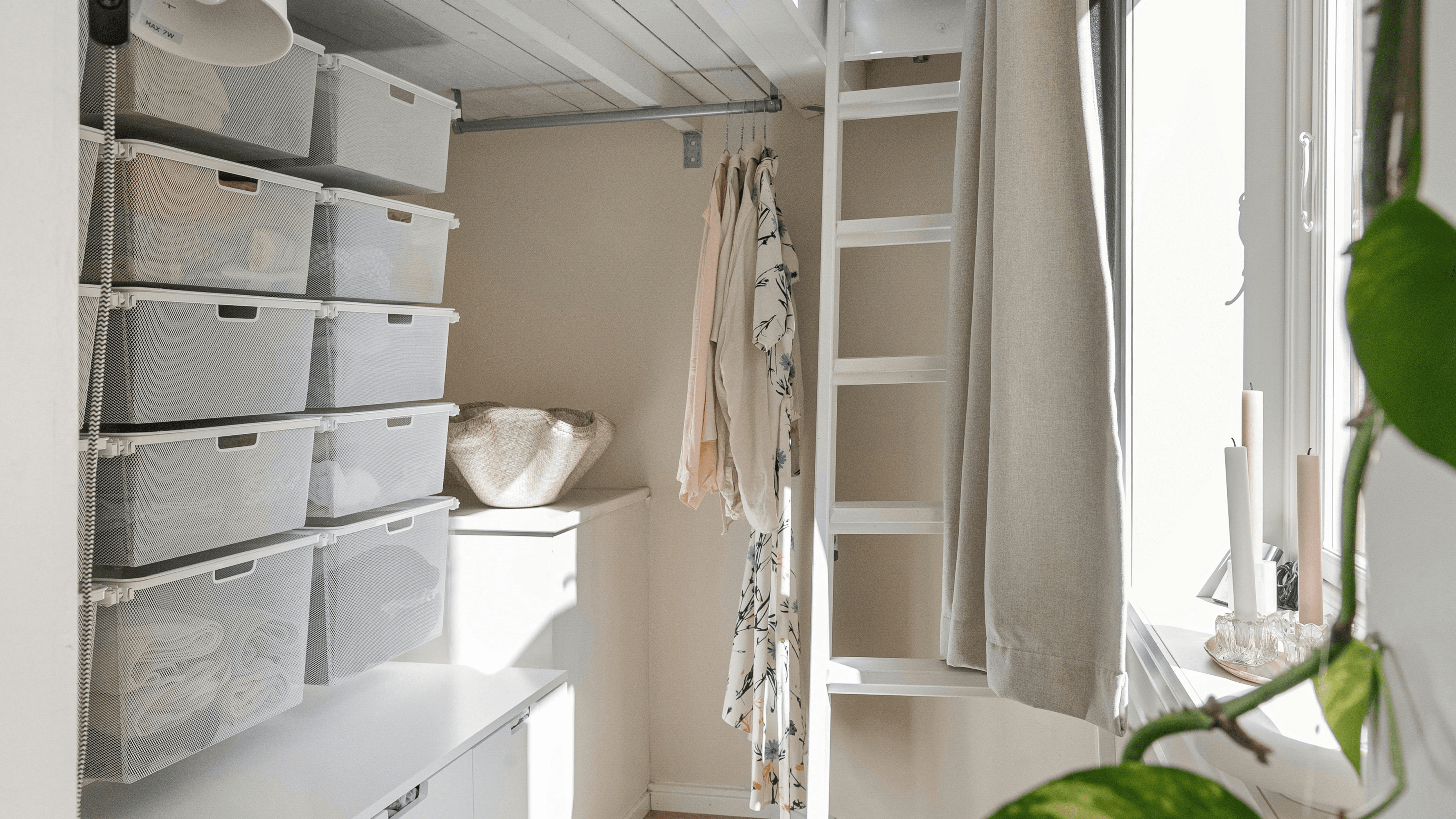
Custom spaces can be a benefit, but they can also be highly personal.
A room designed for handbags, cigars, golf equipment, records, art, or collectibles may be perfect for one buyer and less relevant for another. That does not make the feature negative. It simply means the space should be positioned thoughtfully.
The best specialty rooms are flexible enough to be appreciated by more than one type of buyer.
A well-designed collectible room might also work as a study, display library, hobby space, or secure storage area. A wine room may serve as a visual feature even for buyers who do not maintain a large collection.
Flexibility can help a specialty space feel like an advantage rather than a limitation.
Presentation Matters When Selling
For sellers, specialty storage should be presented with clarity.
If a space has climate control, custom cabinetry, lighting, security, or built-in organization, those details should be communicated accurately. Buyers may not immediately understand the thought behind the room unless it is explained well.
Photography also matters. A specialty space can easily feel cluttered if it is overfilled or not styled carefully. The goal is to show purpose, not simply volume.
A room should not feel like a storage closet just because it stores valuable things.
It should feel intentional.
Buyers Should Ask Practical Questions
When touring a home with specialty storage, buyers may want to ask:
What was this space designed for?
Is the temperature or humidity controlled?
Are the built-ins removable or adjustable?
Does the space have special lighting?
Can it be used for another purpose?
Are there maintenance needs?
Does the design fit the buyer’s lifestyle?
These questions help buyers understand whether the feature adds real function for them personally.
A beautiful room is valuable only if it supports the way someone wants to live.
The Difference Between Custom and Over-Customized
Luxury homes often include custom details, and that is part of their appeal. But there is a difference between thoughtful customization and a feature that feels too narrow for the next owner.
A strong custom space should feel elevated, useful, and adaptable. It should enhance the home without making the buyer feel like they are inheriting someone else’s routine.
That balance is important.
The most successful specialty spaces are specific enough to feel luxurious, but flexible enough to remain relevant.
Final Thoughts
Wine rooms, collectible spaces, and specialty storage can add character and function to a Houston luxury home.
They can make the property feel more personal, organized, and designed around a particular lifestyle. But they should be evaluated with the same care as any other luxury feature.
The question is not only whether the space looks impressive.
The question is whether it works, whether it is maintained, and whether it can support the next owner’s life.
In luxury real estate, the most memorable details are often the ones designed with purpose.

Find Your Dream Home Today